Exhibited in Bristol, United Kingdom, 26/04/2025
Exploring the folkloric and politicised nature of one’s ancestry, this project is a multi-media tapestry of homemade camcorder footage, voice memos, archives and film photography. Touching on the borders of one's relationship to place, language & personal and national histories.
—————————
The Czech version of the BBC, ČT, has screened a children’s show at 7pm every night since 1965. Growing up, I watched the same shows as my mother did when she was young, from stories about little water fairies, talking rats, and bumblebees, to water goblins smoking pipes, trapping souls, and dancing bears. My childhood was imbued with both lighthearted and eerie tales that bind both the democratic and Soviet-era born generations.
This is a gathering of my memories from that time, watching nightly shows that both scared and excited me with their humour and lessons. For the forests and streams of Pec pod Sněžkou that I remember like the back of my hand, and the almighty Krakonoš - the folkloric guardian of the national park - whom I always looked out for amidst the moss and blueberry bushes.
For the stories that bind me and the generations before me.
—————————
The Czech version of the BBC, ČT, has screened a children’s show at 7pm every night since 1965. Growing up, I watched the same shows as my mother did when she was young, from stories about little water fairies, talking rats, and bumblebees, to water goblins smoking pipes, trapping souls, and dancing bears. My childhood was imbued with both lighthearted and eerie tales that bind both the democratic and Soviet-era born generations.
This is a gathering of my memories from that time, watching nightly shows that both scared and excited me with their humour and lessons. For the forests and streams of Pec pod Sněžkou that I remember like the back of my hand, and the almighty Krakonoš - the folkloric guardian of the national park - whom I always looked out for amidst the moss and blueberry bushes.
For the stories that bind me and the generations before me.
The installation was divided into several parts: The Watergoblin, The Plastic Bag, The Farm & The Interview each signifying a point of reference within the cyclical nature of objects & stories returning to us in different forms and which surpass political histories.
video, 35mm, projection, collage, print, soundscapes
moodboard
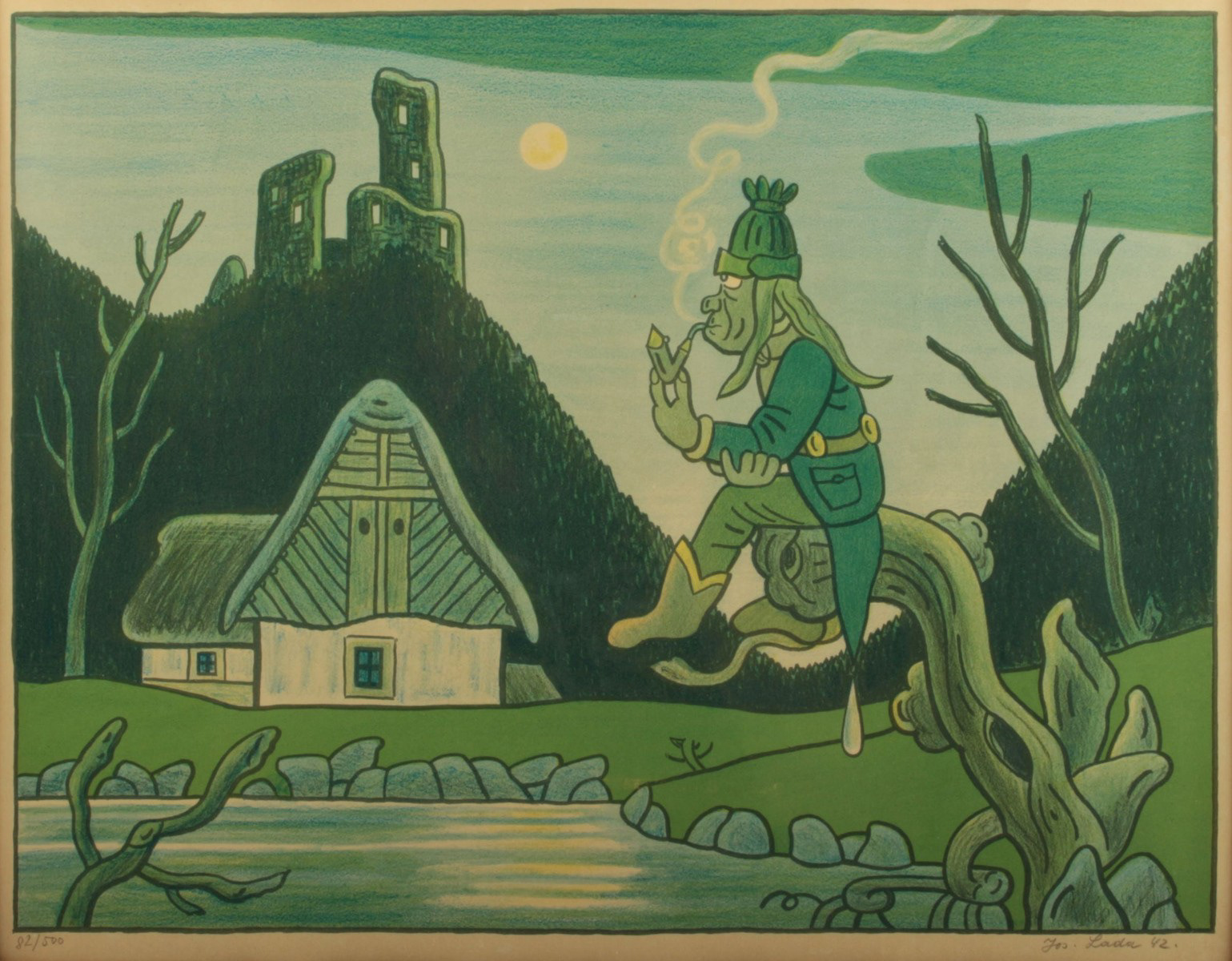
'Watergoblin' Josef Lada, 1942
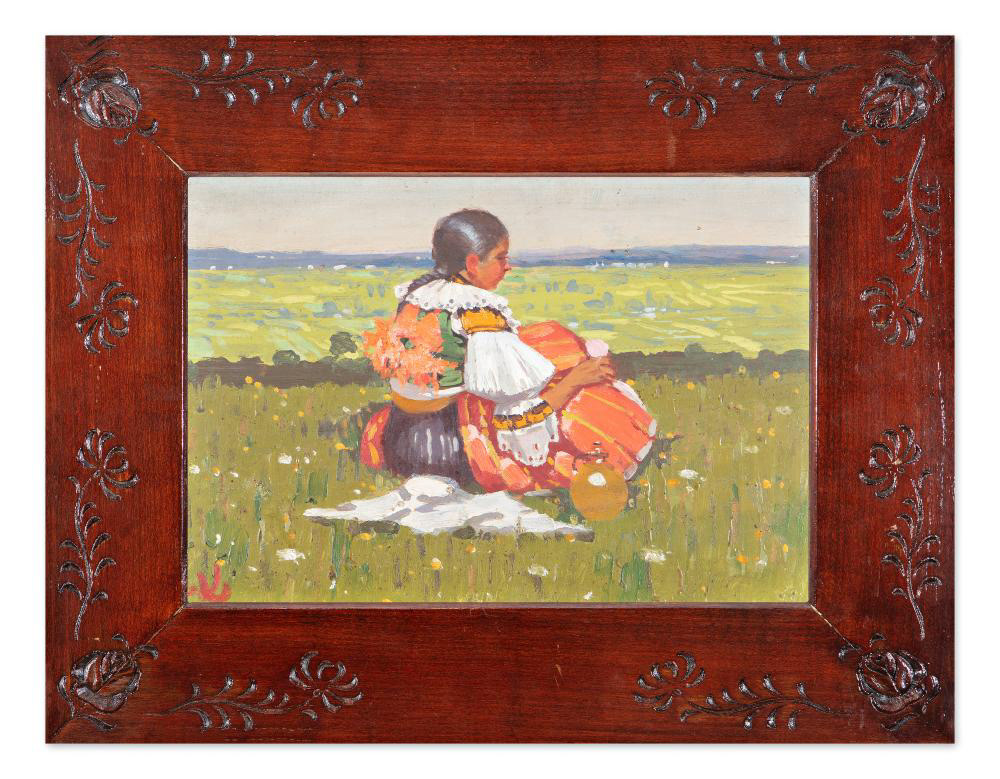
Girl in a Folk dress, Josef Uprka, undated
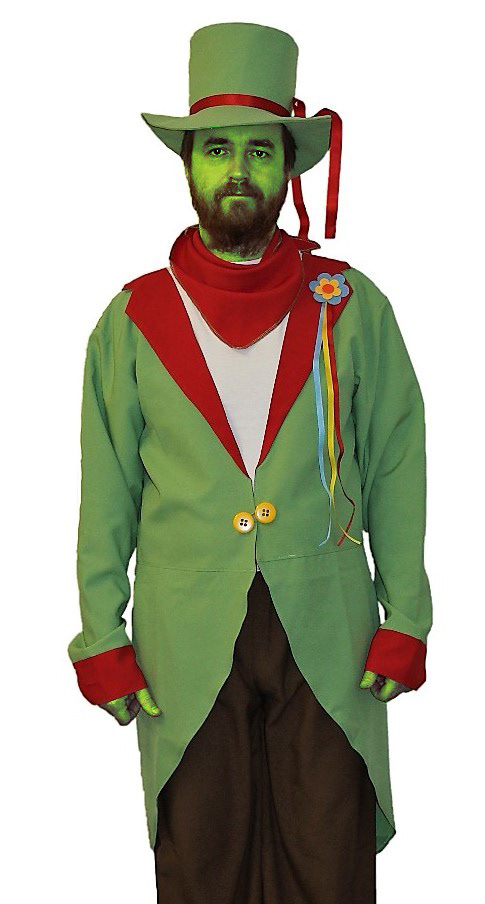
The Watergoblin
A folkloric figure of wide-ranging moral spectrums, the watergoblin first appeared in the 14th century on Bohemian grounds through pagan tales.
The general story of this creature/man is usually of a malign nature. He lures people - from children to men - into his pond with shiny objects, and once they drown, he traps their souls into jars and ties them with a red ribbon. There are versions of him which yearn for a wife, so he kidnaps a girl and Stockholm syndrome-starts a family with her.
But sometimes he is just a 'water-man', smoking his pipe peacefully on the edge of his pond and broods on the trunk of a willow tree. He sometimes has a wife and children and they live happily at the bottom of the pond, avoiding humans.
The watergoblin, along with many other folkloric characters, survived the century-changing swapping of political systems, namely Austria-Hungary, The First Republic after WWI, Nazi occupation and the USSR that Czechoslovakians freely elected in 1948. This survival is largely attributed to Josef Lada (1887-1957), a Czech illustrator and writer who popularized the resurgence of the modern Czech fairytale, cementing a sense of Czech identity in folk stories through characters like the water-goblin & scenes of general village life. While the Soviet Union's main objective was to quash Christianity, symbols of pagan culture lived on, as they realized one cannot remove certain aspects of the national identity to perpetuate propaganda.
The question I explored was, how does a pagan character live on in a post-modern society with a layered history of being occupied, such as the Czech republic? In relation of the afore-mentioned TV children show screenings which have been replayed since the 60s, what is the triangulation of folklore, a political system like Soviet communism and the present-day Czech identity? How do these concepts mingle with each other
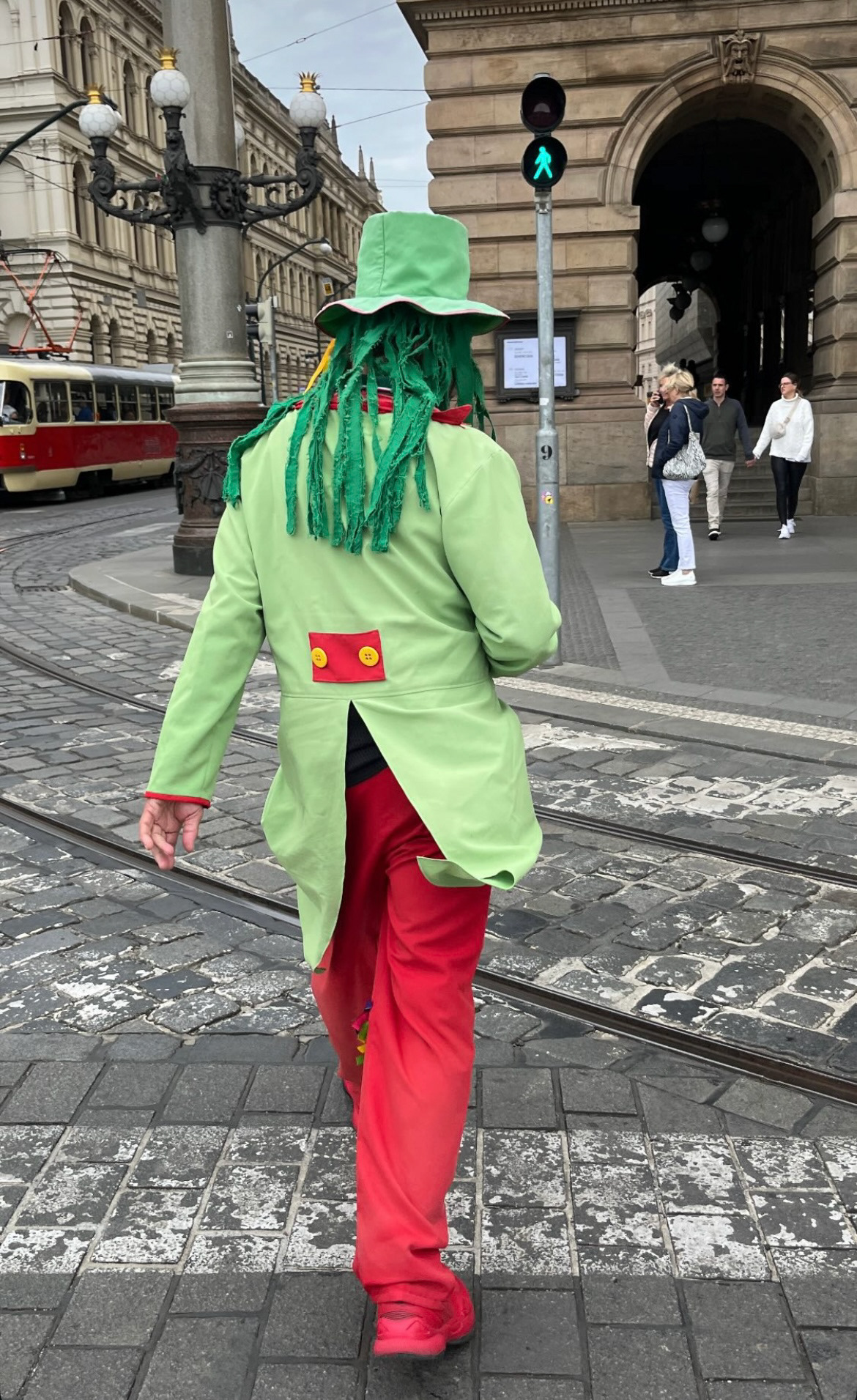
video collection of children's shows, 1964-2000
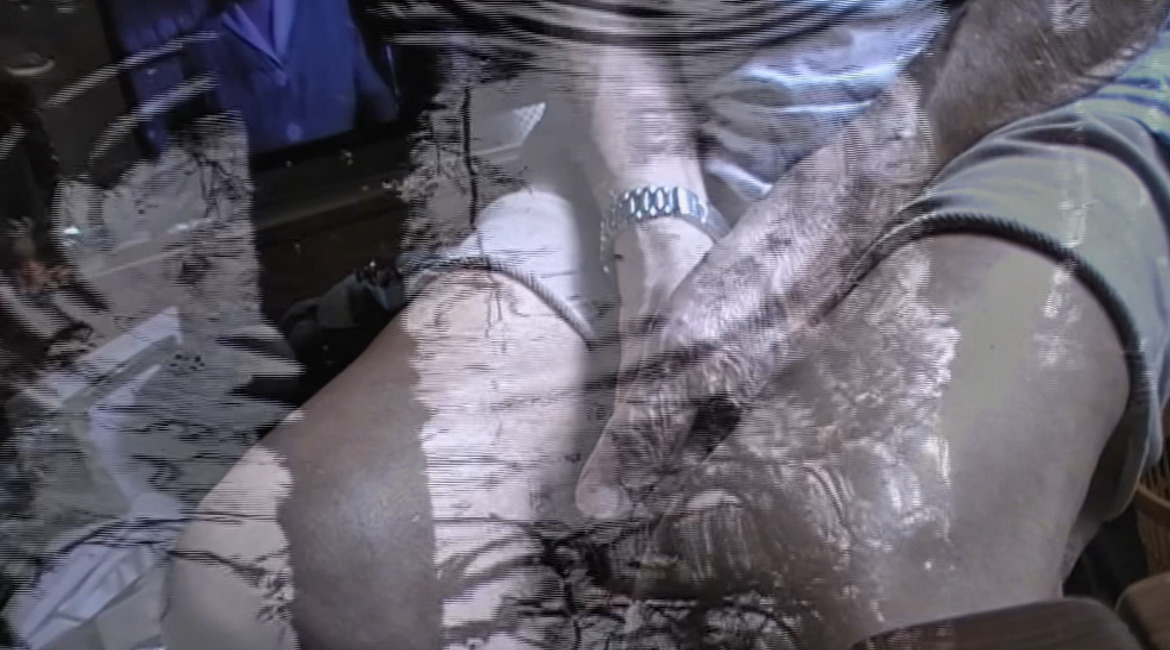
Grandad's hands & the puddles of the Krkonoše National Park
The Visual Politics of the Plastic Bag
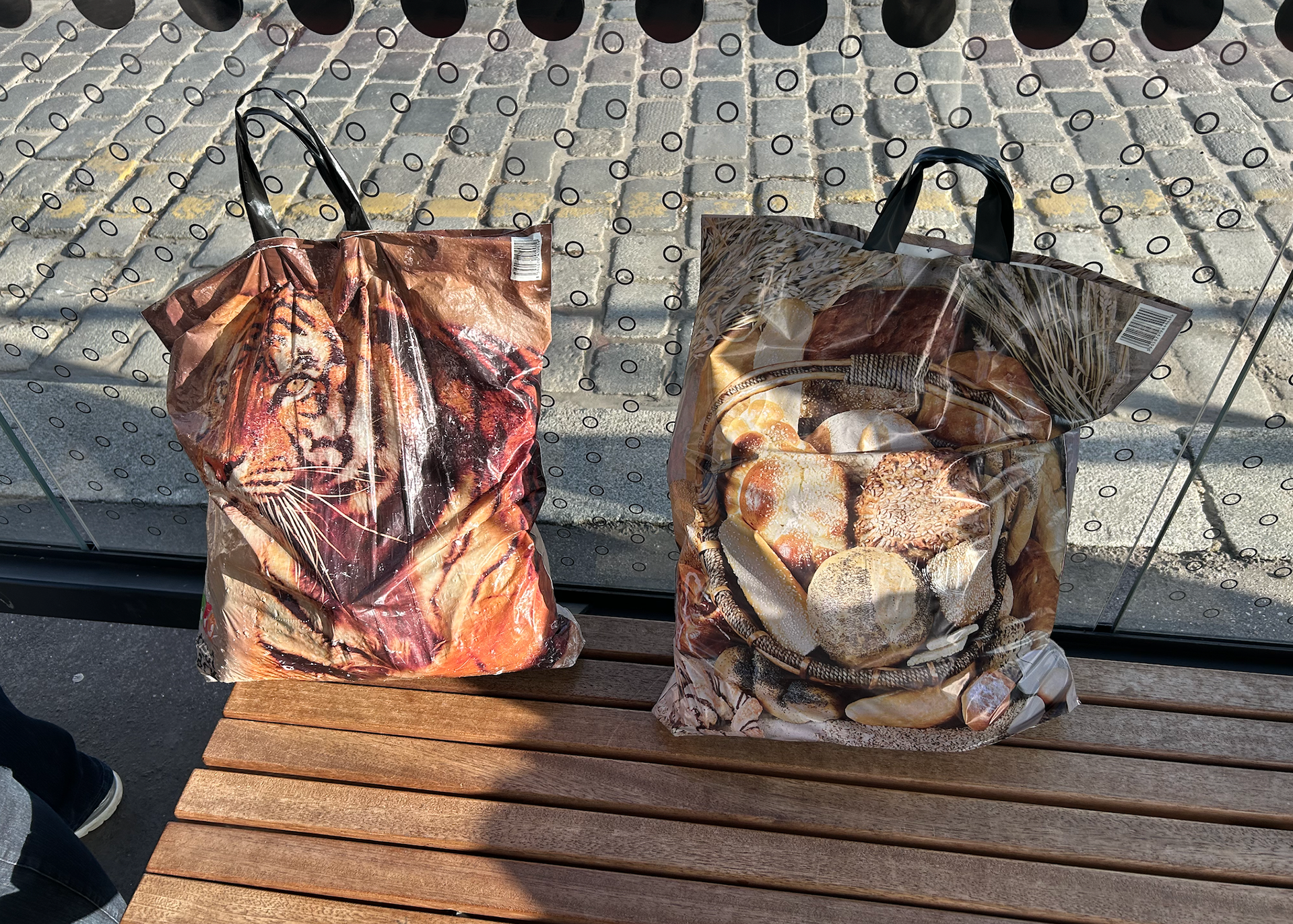
The plastic bag, a symbol of a nation's aging population. Whether that is a smiley face of a NYC bodega or a two-colour striped Ethiopian pattern, these forever-bags surround all of us. The patterns of wild cats, fruit & bread of all kinds on such bags is a visually dominant, yet ignored aspect of one's daily experience when living in the Czech republic as you brush sides with grannies on their way across their cities, villages & towns.
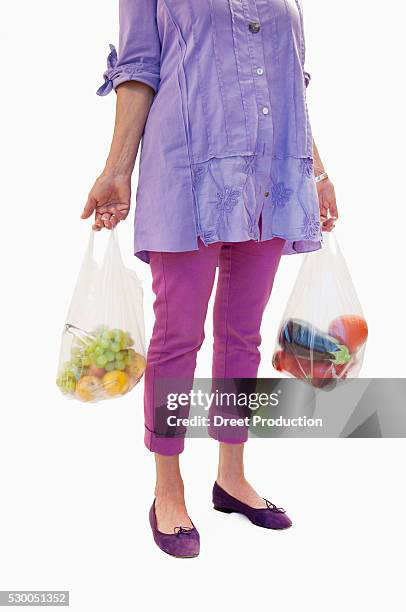
To me, they mark the continuous consumerist culture that moulds through historical contexts, in this case, a post-communist state that is now a semi-peripheral country in terms of its socio-economic standing within the EU and the so-called partition of West & Eastern Europe.
During the Soviet Union, our parents and grandparents spent their early mornings living in queues to the grocery store, coming back home barely anything.
Now, due to inheriting a Western neo-liberal of the 1990s, the supermarket has anything one can need and more. From austerity to an overwhelming abundance, marked by ultra-low competitive prices, or at least the illusion of such. Has Czech society truly become emancipated by the onslaught of democracy and capitalism?
With the individual at the helm, despite the suppression of personal freedom during USSR, the fall of the Iron Wall marked an end to socio-economic safety nets that the socialist government provided, namely in the countryside with manual labour and welfare benefits. We may be materially better, but why are we ostracized as 'white, but not quite' as per Ivan Kalmar's analysis of Central Europe's rise of illiberal fascism and how the West views us.
The plastic bag here functions as a physical object and a rhetorical question. At first glance, a full bag is a sign of a nation that can feed its citizens and offers a wide-range of products. At a second glance, it is the symbol of unecological consumerism. For the individual, a full bag for themselves is better than having groceries shared across many bags as per USSR's lack of produce.
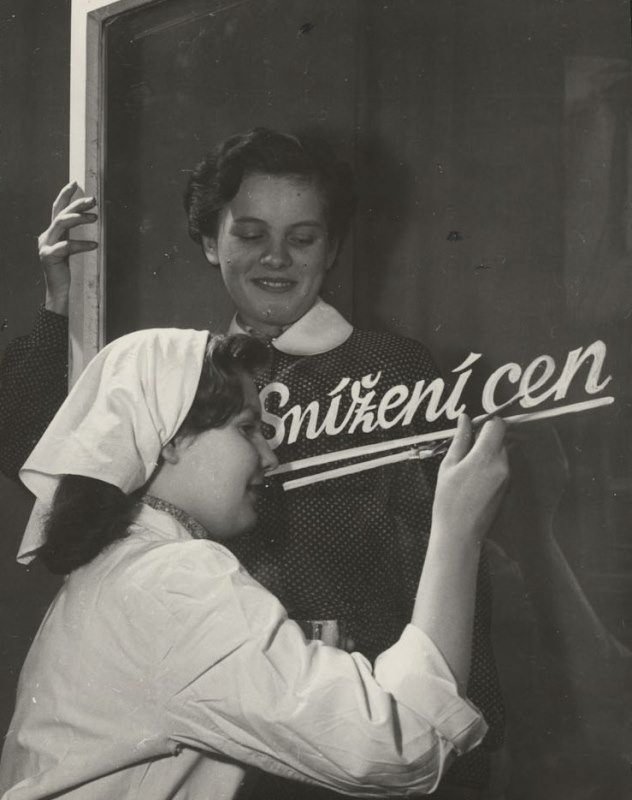
"The lowering of prices", before 1960, Author uknown
The Farm
prints - A2, matt paper
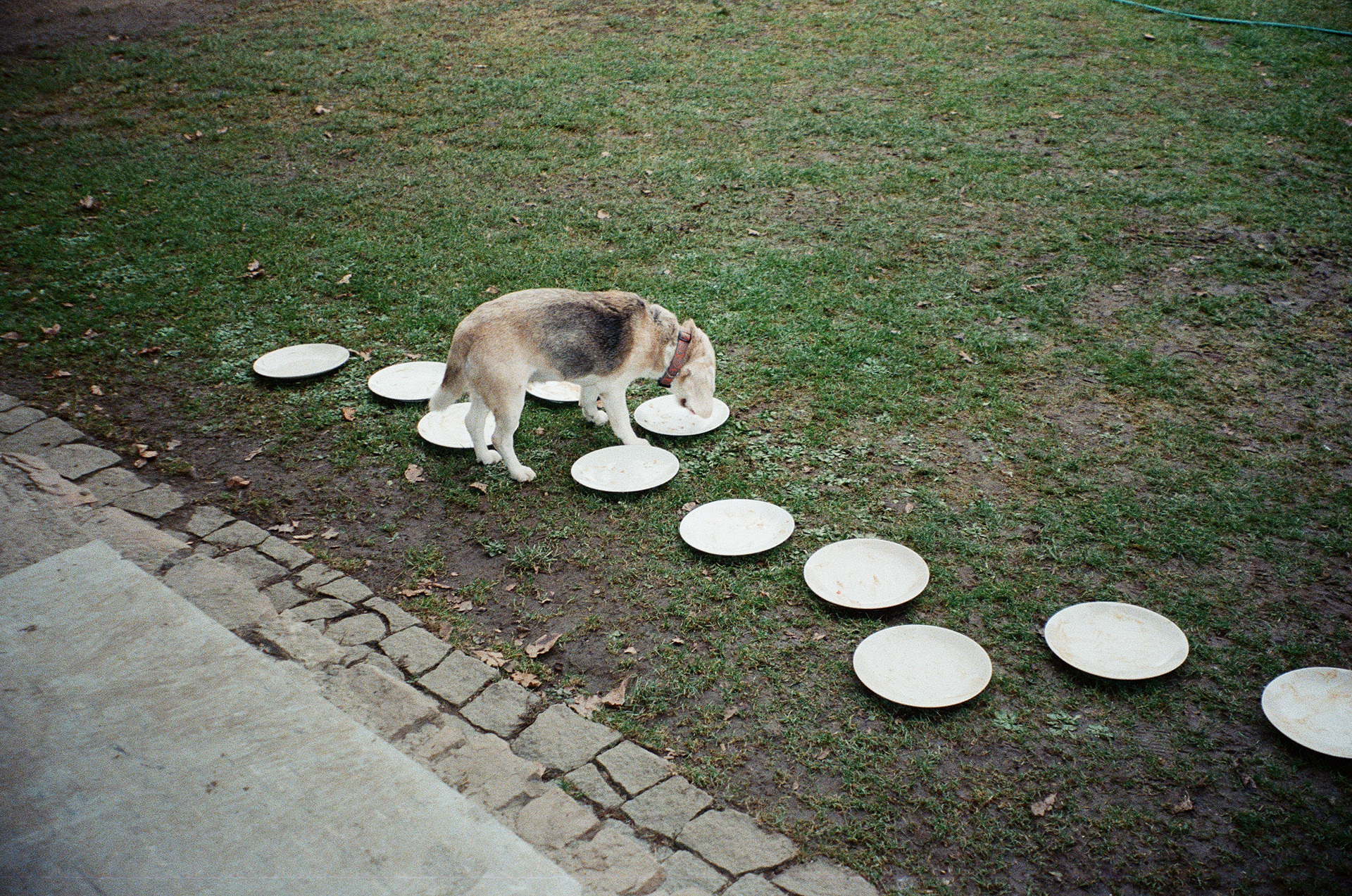
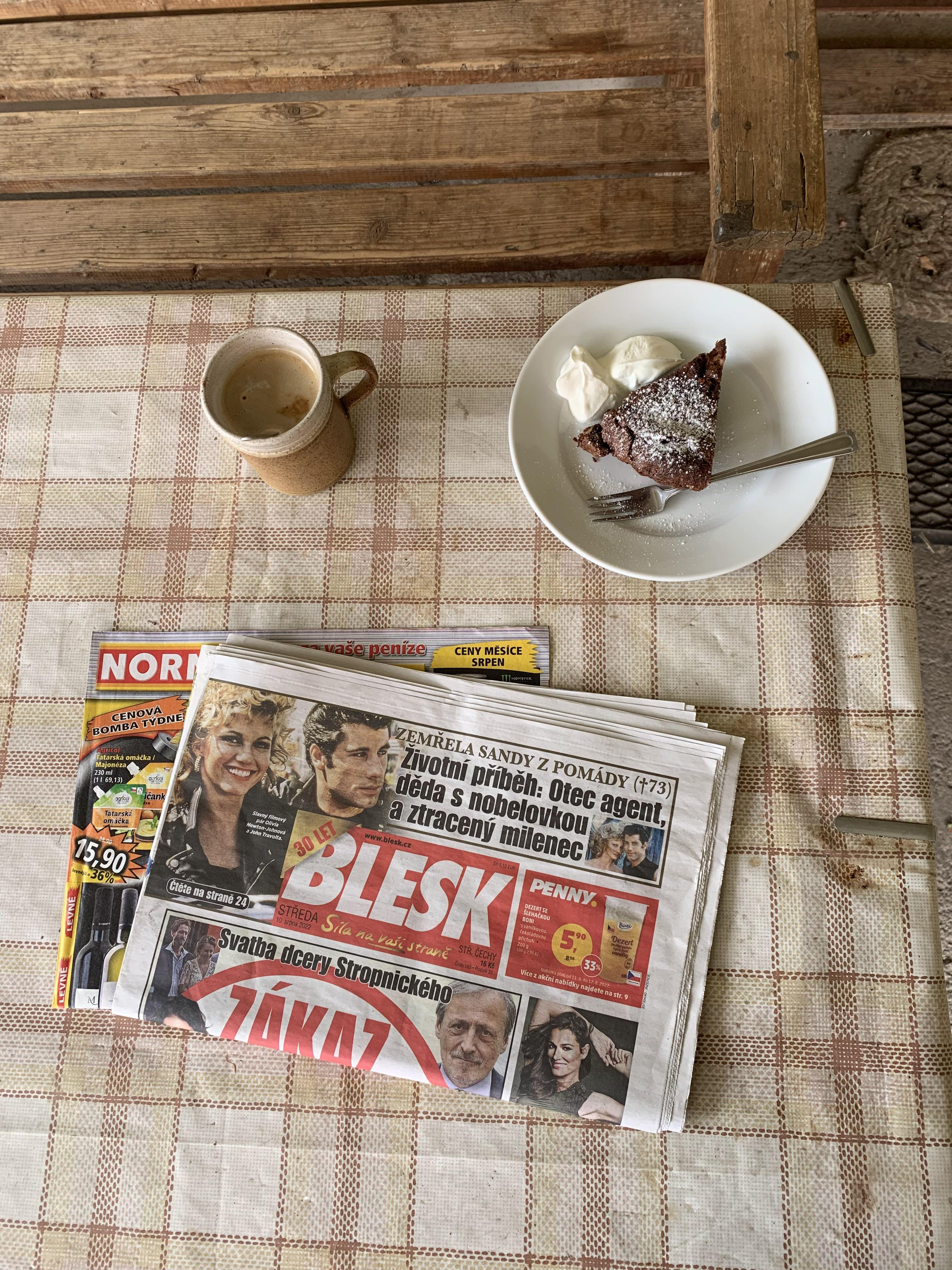
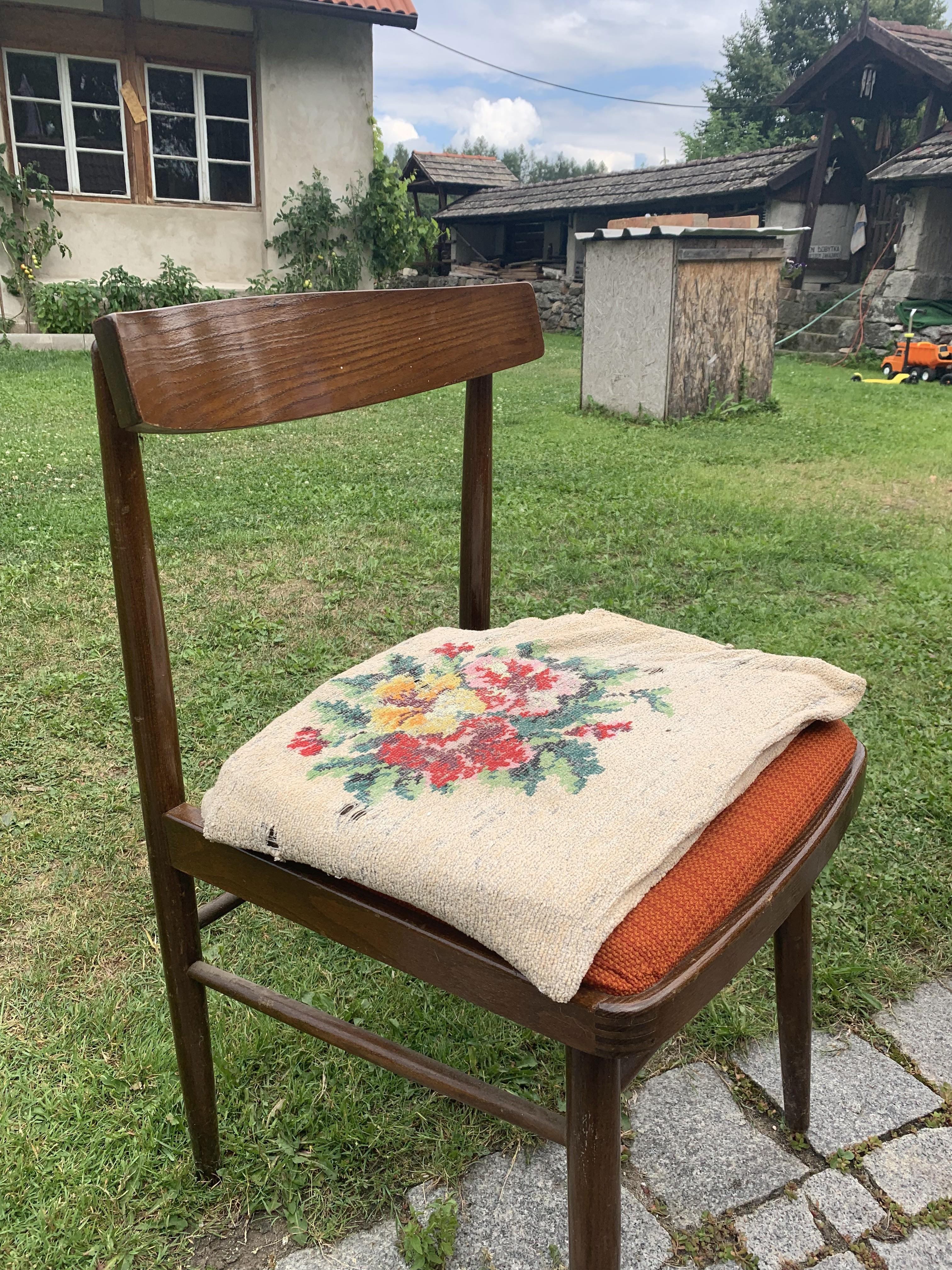
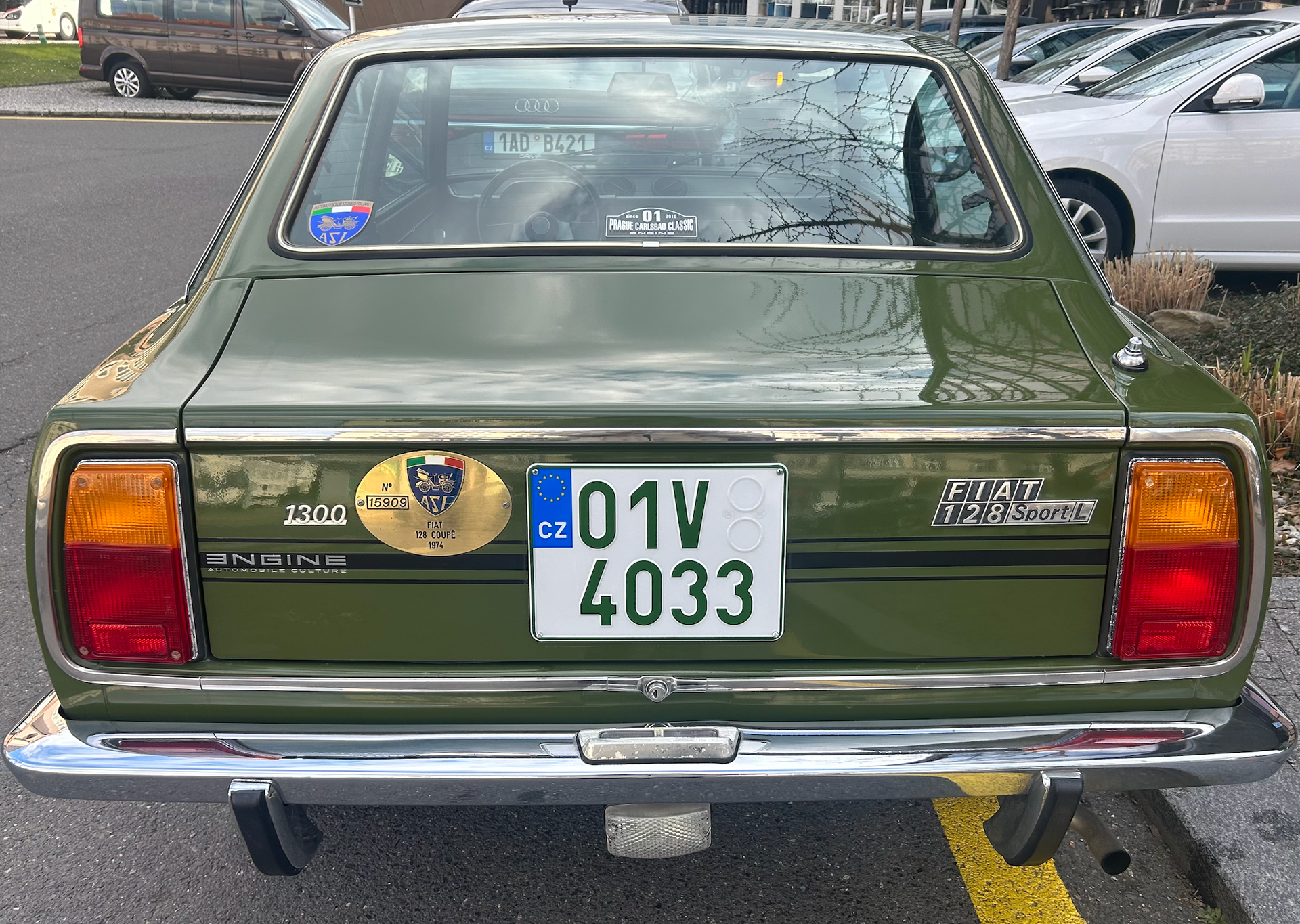
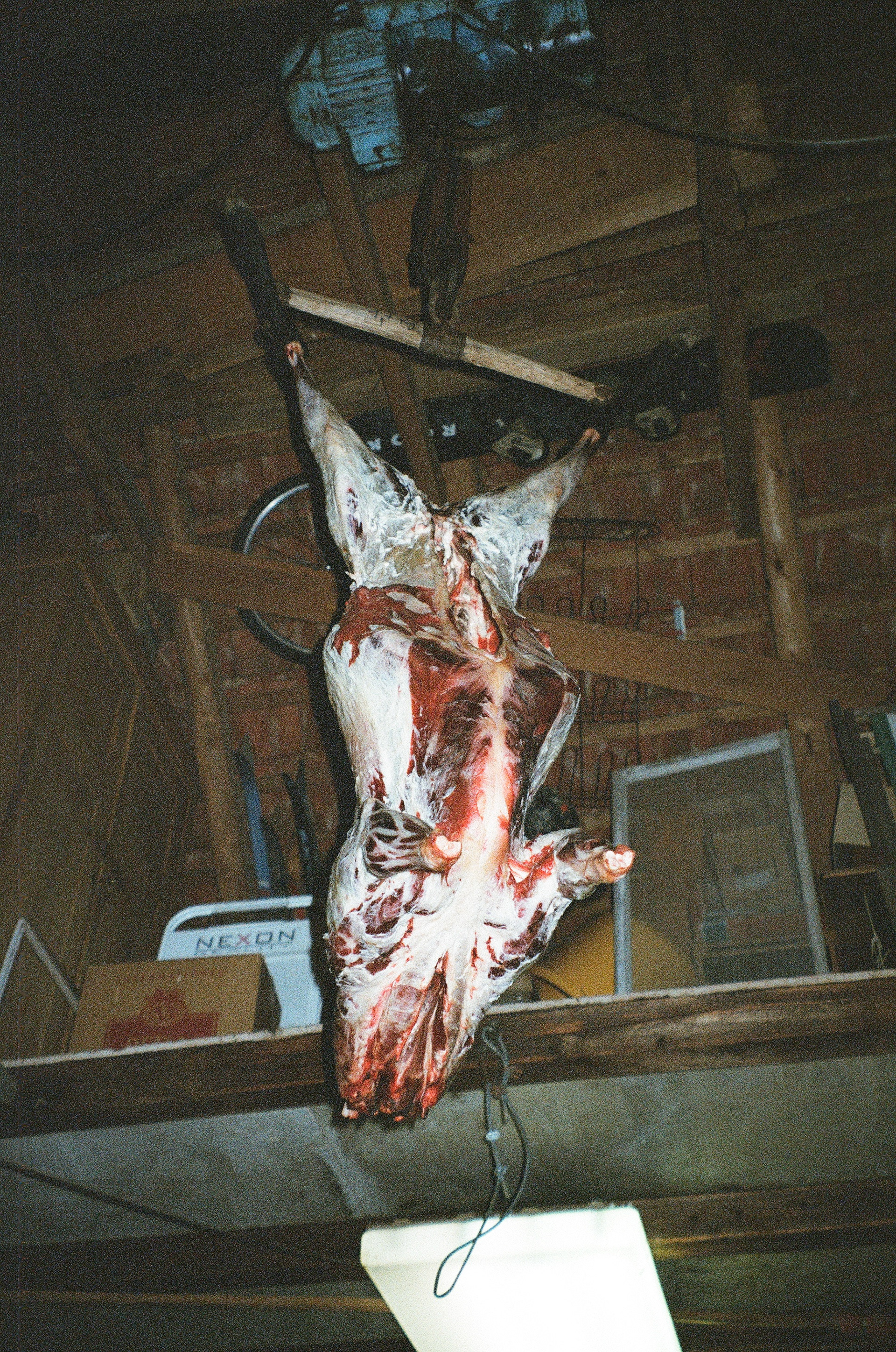
The farm. A place seemingly stuck in time. An hour away from Prague, this farm has an attic of Stalinist and Czechoslovakian memorablia, old beer mats and a basket of slippers worn by family members and guests. A dog that wipes clean everyone's plates, a skinned sheep hanging from the stable above you, shots of fruit brandy
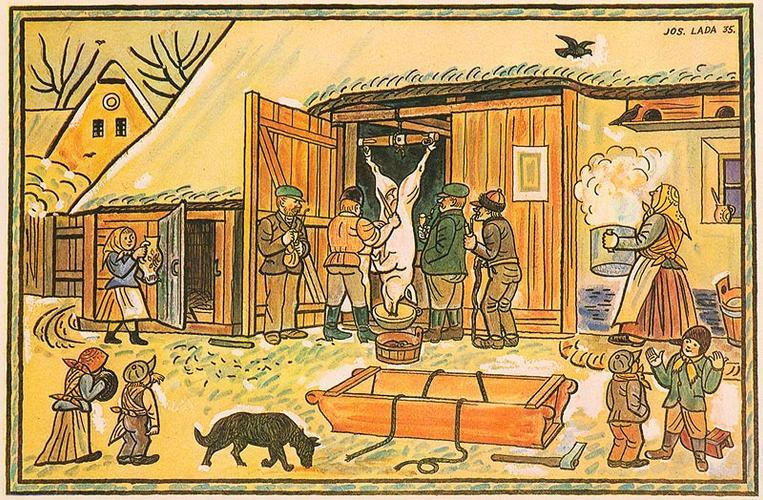
Josef Lada, 'Pig slaughter', 1942
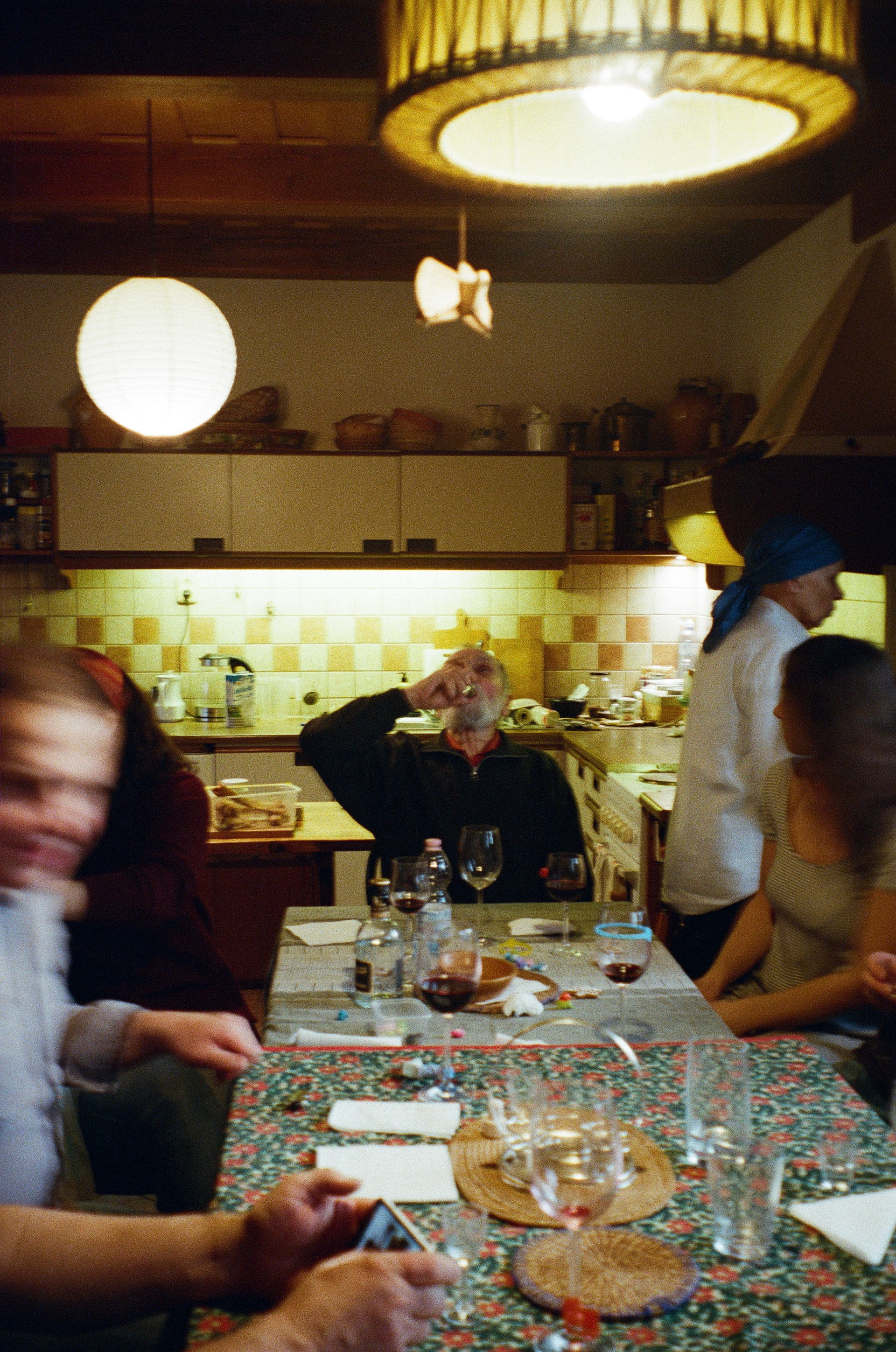
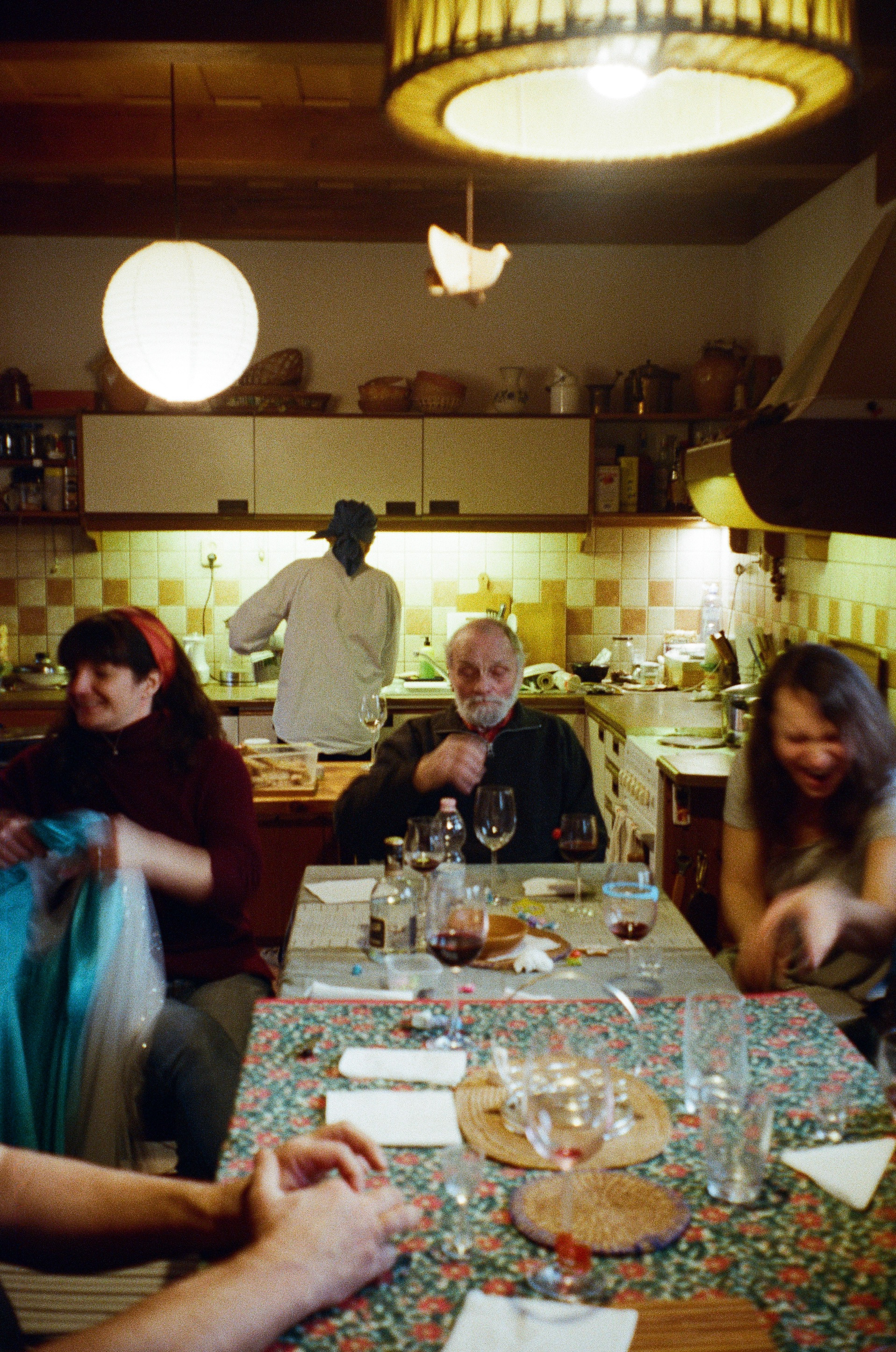

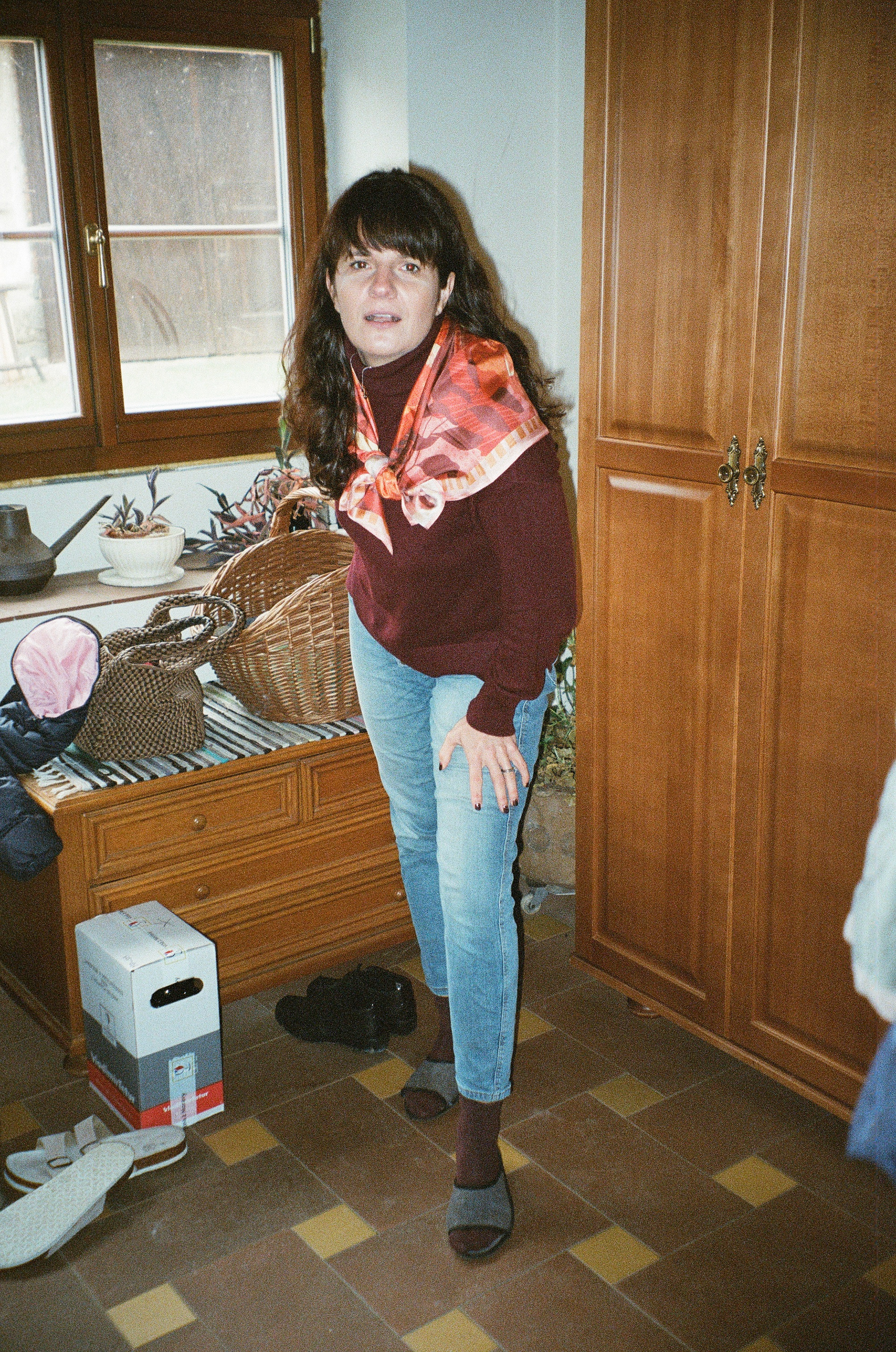
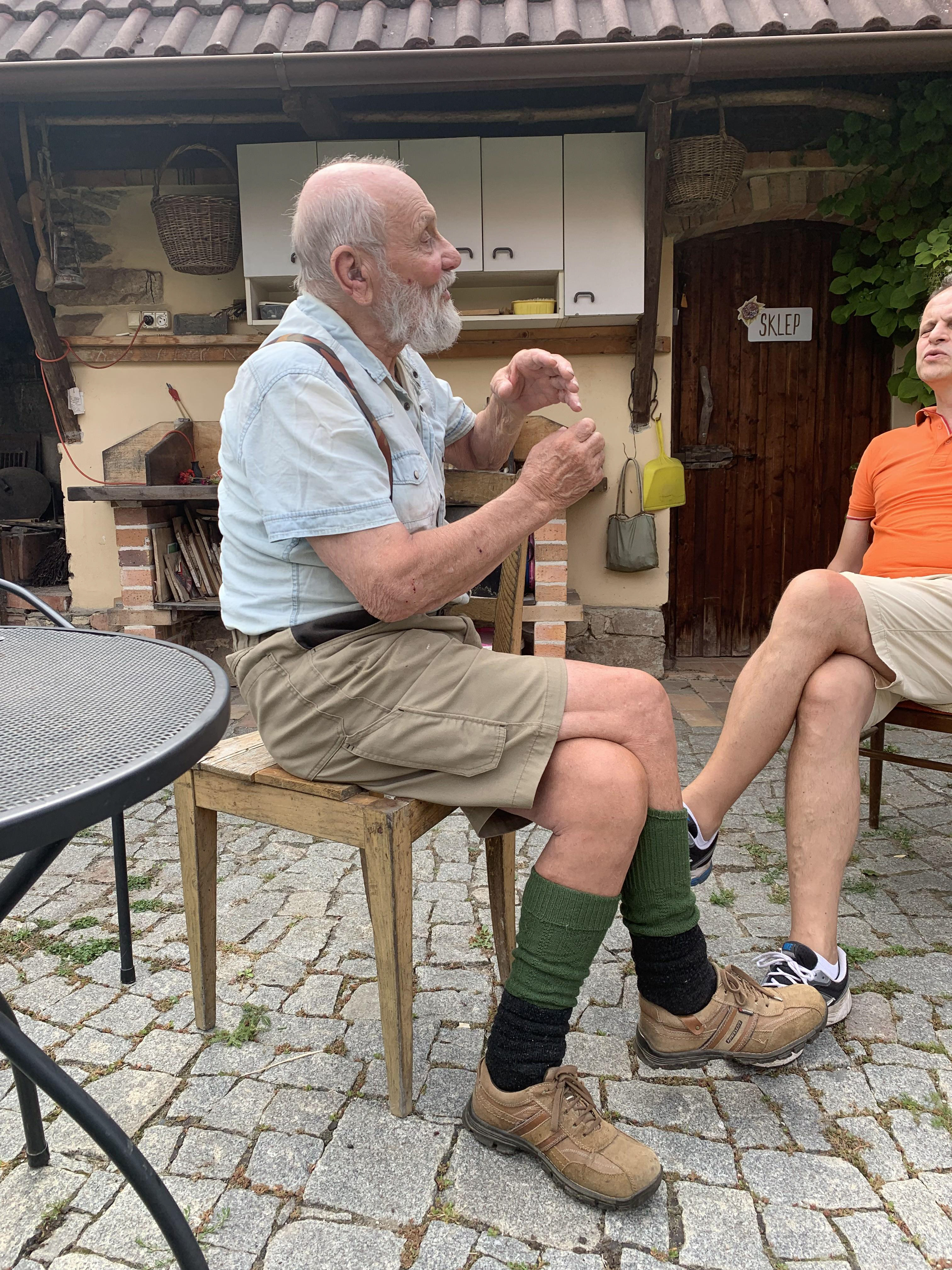
Grandad describing how to make pig rind the farmer's way
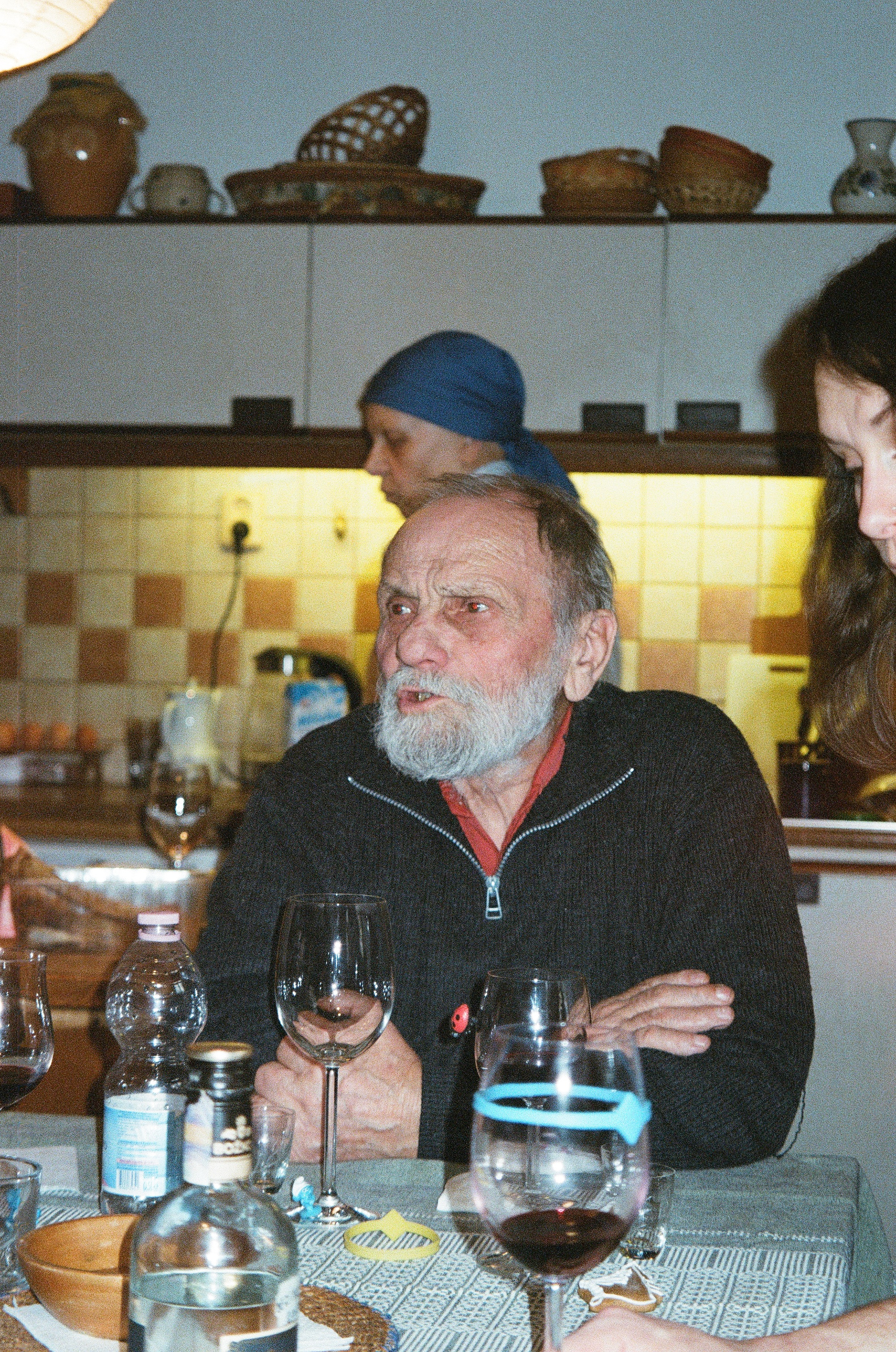
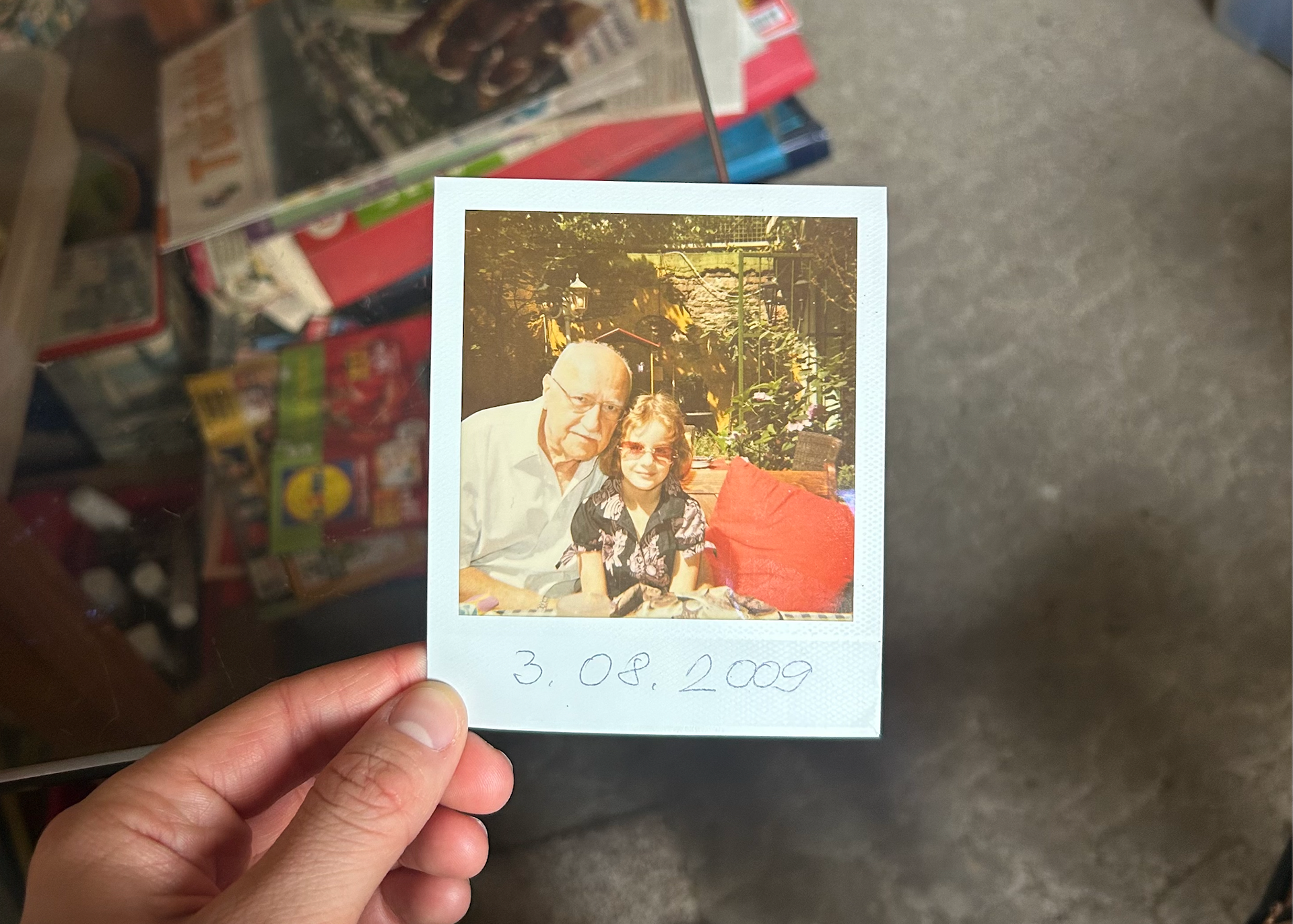
For my děda